Understanding Sports Event Dress Codes in the U.S.
Dress expectations at U.S. sporting events range from casual to formal depending on the sport, location, and seating section. While a Major League Baseball game may permit relaxed clothing, events like the Masters Tournament or a suite at an NFL stadium require more polished attire. Common challenges include managing unpredictable outdoor weather, adhering to venue bag policies, and maintaining comfort during extended periods of sitting or standing.
Key considerations:
- Weather and environment: Outdoor stadiums expose attendees to sun, wind, and temperature swings. Indoor arenas often have climate control but can become warm with crowds.
- Venue policies: Many stadiums enforce clear bag rules, restrict metal-tipped accessories, and prohibit certain outerwear items. Checking the venue’s official guidelines before game day is essential.
- Comfort and mobility: Seats are often narrow, and walking distances can be long. Clothing and footwear should allow ease of movement and standing for extended periods.
Practical Attire Solutions by Sport Type
1. Football Games
Football games are frequently held in open-air stadiums during autumn and winter, requiring preparation for cold, wind, and rain.
- Base layer: Thermal or moisture-wicking long underwear when temperatures fall below 40°F. Avoid cotton as it retains moisture.
- Mid layer: Team jersey or sweatshirt. For extreme cold, a hoodie or fleece underneath the jersey provides insulation.
- Outer layer: Water-resistant or windproof jacket. Stadiums often permit jackets but may restrict oversized parkas in certain seating areas.
- Footwear: Insulated, waterproof boots with non-slip soles. Stadium concourses can be wet or icy.
- Accessories: Knit hat, gloves, and a blanket. Hand warmers are common at tailgates and in stands.
In cities like Green Bay or Buffalo, where winter games are notoriously cold, layering with technical outdoor gear is standard among experienced attendees.
2. Basketball Arenas
Indoor basketball arenas maintain consistent temperatures, but body heat from crowds can make the environment warm. Attire should prioritize breathability and ease of movement.
- Tops: Lightweight jersey, moisture-wicking T-shirt, or team-branded polo. Avoid heavy layers unless the arena is known to be cool.
- Bottoms: Athletic pants, joggers, or shorts. Denim is acceptable but less flexible for climbing stairs or standing.
- Footwear: Casual sneakers with good arch support. Arena floors are typically concrete beneath thin carpeting.
- Layering: A light zip-up hoodie or windbreaker can be carried in case of air conditioning.
Fans attending playoff games often coordinate colors for arena-wide “whiteout” or “blackout” events, making it useful to check team-specific promotions beforehand.
3. Baseball Outfits
Baseball games vary greatly between daytime summer heat and cooler evening matchups. Sun protection and adaptability are central.
- Headwear: Wide-brimmed hat or baseball cap. A cap with a dark undervisor reduces glare.
- Eyewear: Polarized sunglasses reduce glare from the field and sky.
- Tops: Lightweight, breathable fabrics such as cotton blends or performance polos. Team jerseys are common but should be paired with sun-protective options for day games.
- Bottoms: Khaki shorts, denim, or lightweight pants. In stadiums with metal bench seating, a seat cushion may add comfort.
- Footwear: Comfortable walking shoes or sneakers. Stadiums often involve concrete ramps and stairs.
- Additional items: Sunscreen with SPF 30 or higher, and a compact umbrella or poncho for sudden rain.
In warmer cities like Phoenix or Miami, fans frequently use cooling towels and opt for sleeveless tops, while evening games in San Francisco may require a heavy jacket even in summer.
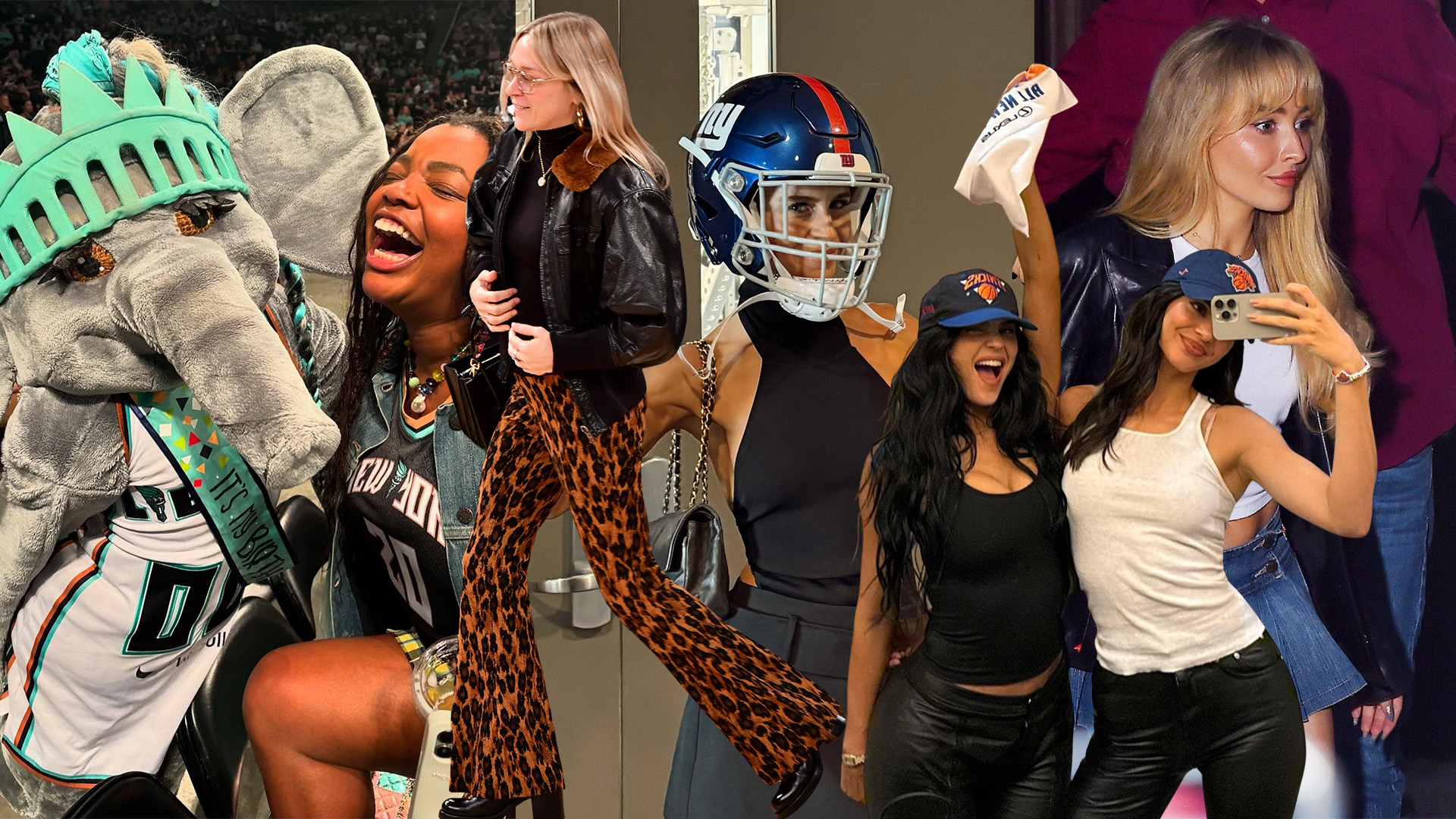
4. Golf Tournaments
Golf events, particularly professional tournaments, enforce strict dress codes. Even general admission spectators are expected to adhere to smart-casual standards.
- Tops: Collared shirts, mock necks, or performance polos. T-shirts, tank tops, and jerseys without collars are typically prohibited.
- Bottoms: Tailored shorts or trousers. Denim, cargo pants, and athletic shorts are often not permitted.
- Footwear: Soft-spiked golf shoes or walking shoes with good traction. Heels, sandals, and metal spikes are generally disallowed.
- Outerwear: Lightweight pullover or rain jacket in neutral colors. Logos should be understated.
- Accessories: Wide-brimmed hat for sun protection, and a small crossbody bag or belt pack to meet bag-size restrictions.
Events such as the Masters at Augusta National have particularly detailed dress codes, requiring patrons to avoid overly bright colors, denim, and any clothing with visible branding unrelated to golf.
5. Marathon and Racing Events
For both participants and spectators, events like marathons or auto races demand clothing focused on endurance, safety, and adaptability to long hours outdoors.
For participants:
- Tops: Moisture-wicking tank tops or short-sleeve shirts. Avoid cotton to prevent chafing.
- Bottoms: Technical running shorts, tights, or half-tights with pockets for nutrition or ID.
- Footwear: Well-broken-in running shoes suited to the race surface.
- Accessories: GPS watch, hat, and sunscreen.
For spectators:
- Footwear: Sturdy walking or trail shoes. Races often involve standing on uneven terrain or walking multiple miles.
- Clothing: Layered athletic wear with a packable jacket. Auto races may involve prolonged sun exposure and dust.
- Safety gear: For motorsports, hearing protection (earplugs or earmuffs) is essential. Some tracks require closed-toe shoes in spectator areas.
Comparison Table: Sports Attire Recommendations
| Sport Category | Example Outfit | Typical Price Range | Best For | Key Advantages | Potential Challenges |
|---|
| Football | Thermal base layer, team jersey, insulated jacket, waterproof boots | $80–$200 | Cold-weather games, outdoor stadiums | High warmth retention, weather protection | Bulky layers may be difficult to manage in crowded seating |
| Basketball | Moisture-wicking jersey, joggers, supportive sneakers | $50–$130 | Indoor arenas, high-energy crowds | Breathable, allows easy movement | Minimal insulation for cold outdoor transitions |
| Baseball | Performance polo, baseball cap, khaki shorts, walking shoes | $60–$140 | Day or night games, varied climates | Sun protection, adaptable layers | Evening games may require carrying extra outerwear |
| Golf | Collared shirt, tailored shorts, soft-spiked shoes | $90–$220 | Professional tournaments, private clubs | Compliant with dress codes, polished appearance | Restricted fabric and fit options |
| Marathon (spectator) | Layered athletic wear, trail shoes, crossbody bag | $70–$160 | Long-duration events, urban courses | High mobility, compact essentials | Limited protection in extreme weather |
Actionable Tips for Game Day Success
-
Confirm venue policies in advance: Visit the stadium or event website for specific rules on bags, permitted items, and restricted clothing. Clear bag policies are common across NFL, NCAA, and MLB venues.
-
Layer with intention: Use a three-layer system—base (moisture-wicking), mid (insulating), outer (weather-resistant)—to adapt to changing conditions. Avoid cotton in cold or wet weather.
-
Prioritize footwear: Choose shoes that are already broken in and appropriate for the terrain. Many stadiums involve concrete concourses and stairs; unsupportive footwear can cause fatigue.
-
Select accessories for function: A small, stadium-approved clear bag holds essentials. Items like sunscreen, hand sanitizer, and portable chargers improve comfort. For night games, a compact LED light can assist with navigating stairs.
-
Prepare for weather extremes: In cold climates, bring hand warmers, a hat, and gloves. In hot climates, use a cooling towel, hydrate before entry, and apply sunscreen 20 minutes before sun exposure.
-
Coordinate for group events: For group outings, confirm any team-sponsored color themes or promotional giveaways to ensure cohesive attire without unnecessary purchases.
Conclusion
Selecting appropriate sports event attire involves assessing venue rules, weather conditions, and the specific demands of the sport. By layering strategically, choosing supportive footwear, and adhering to event-specific dress codes, attendees can focus on the game rather than discomfort or policy issues. For the most reliable guidance, consult the official event website or contact the venue directly before game day.
